Calendar
Seasons & Fog
The Bay does not run on the calendar you grew up with. These are the notes I give people who ask when to come.
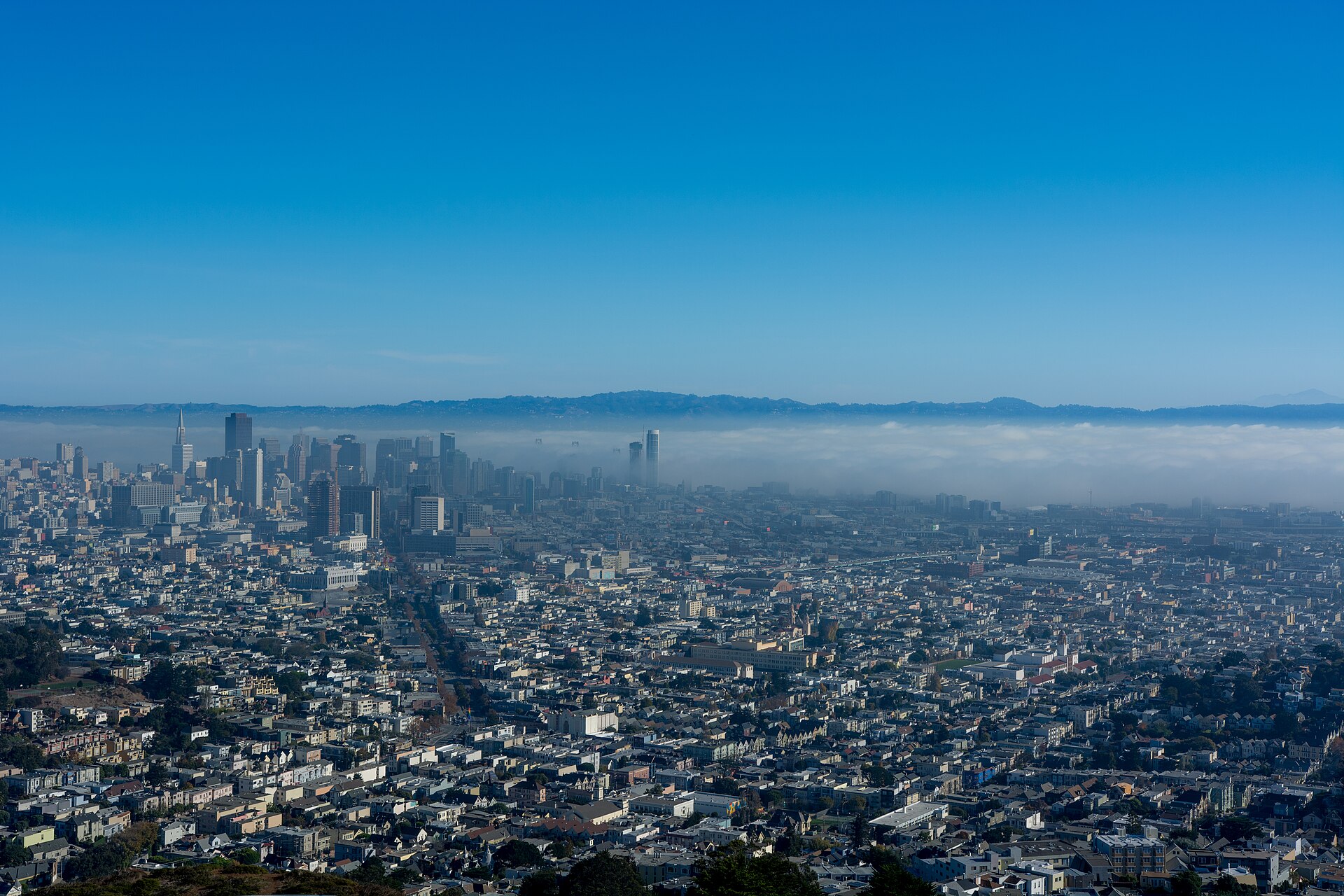
Visitors arrive in July expecting a postcard and meet a wind that feels like a refrigerator door. Locals shrug. We have been trying to explain this for a century and we are still bad at it. The short version: our warmest, clearest stretches often sit in September and October. Our summers are a marine layer with opinions. Winter is rain and the occasional storm that makes you grateful for a stout hull. Spring is birds and a kind of restless light.
Summer, which is not summer
From June through August the fog is a daily character. It does not always win, but it always auditions. Mornings can be bright in the Mission and white at the water. Afternoons often go the other way. A crossing in July can be the coldest hour of your trip. I bring a layer I would wear in April back east. I have watched people in shorts discover this in real time. They are not wrong to be surprised. The photographs lied to them.
The island is busier in these months because school is out and the myth is in high season. The boats fill earlier. The paths feel narrower. If you can only come in summer, come early in the day and accept that the view might be a study in gray. The audio does not care about the view. The wind will still be there.
The September–October secret
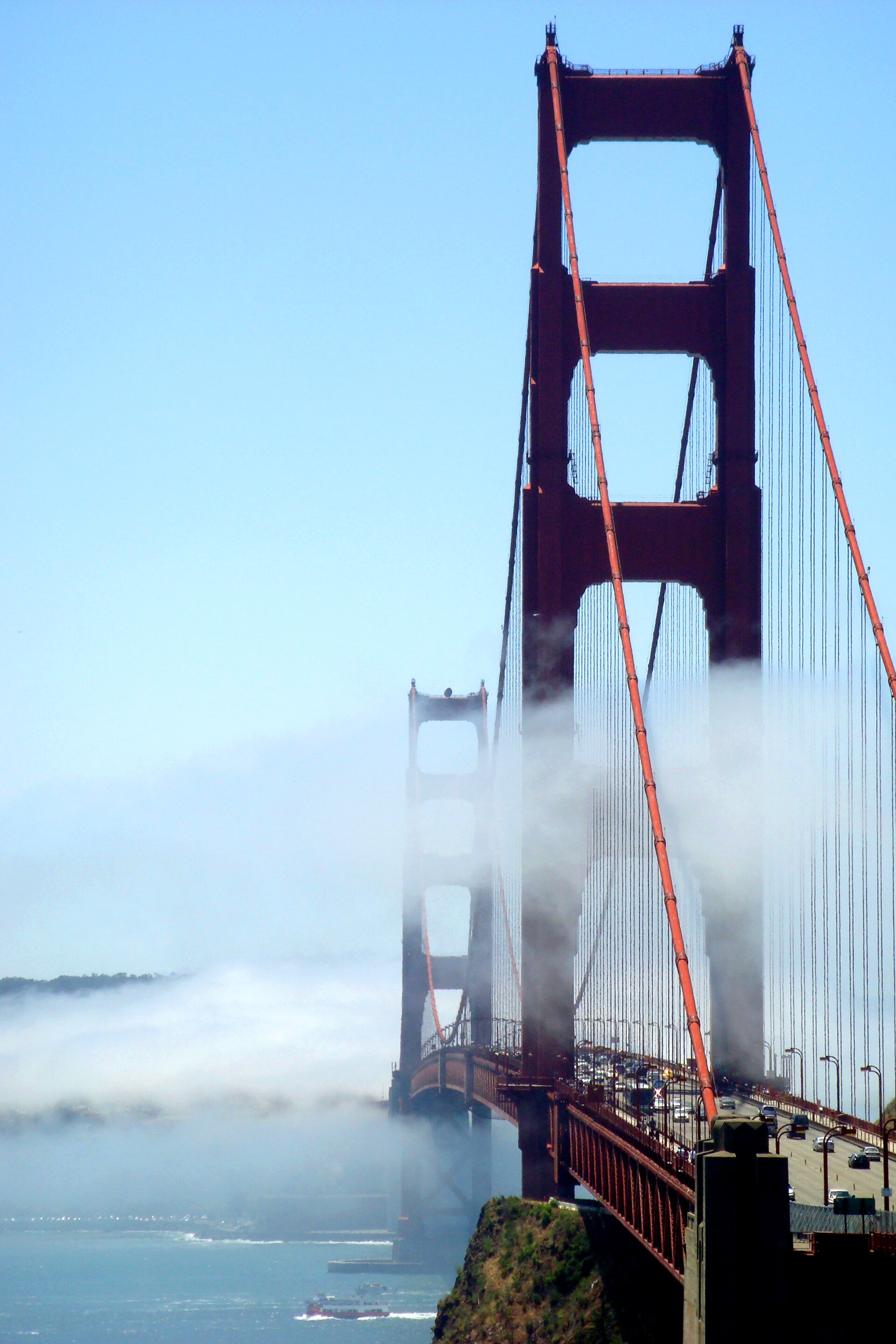
We call it Indian summer when we are being old-fashioned, and we should be careful with the phrase, but the weather it names is real. The marine layer loosens. The light goes gold and long. The Bay can look like a lake that forgot it was an ocean. Crossings in late September are the ones I protect on my own calendar. The water is often kinder. The island is still visited, but the panic of July has burned off.
October can be the most honest month: clear enough to see the Golden Gate from the Rock, cool enough that you do not pretend it is a beach day, and just before the first serious rains remind you that this is still a Pacific city. If a friend asked me when to plan a first visit, I would point here and then tell them to stay flexible, because weather is not a reservation.
Winter storms
November through February the city gets its rain, sometimes in long gray weeks, sometimes in a storm that knocks bins down the street. The Bay stands up. Crossings can be rougher. I have been on boats that felt like a suggestion rather than a promise. Operators cancel when they should. If you come in winter, build a spare day into the trip and do not schedule the island as the thing you squeeze between a dinner and a flight.
The gift of winter, when the weather holds, is quiet. Fewer groups. More room in the cellhouse to hear the recording. A city that looks sharper after rain. I have had some of my best hours here in January, wearing everything I own.
Spring gulls
March and April are restless. The gardens begin to argue with the concrete. Gulls and other birds make more of themselves. The fog has not committed to its summer job yet. Crossings are often smoother than midwinter and less crowded than July. It is a good first-visit window if September is impossible.
When are crossings smoothest? In my notebook: late September mornings, many October afternoons, and the odd glassy spring day when the wind has somewhere else to be. When is the island quietest? Weekday mornings in January and early February, and those shoulder days in April when the city is thinking about baseball and not about boats. None of this is a guarantee. The Bay does not sign contracts.